


Branding strategy in 2026: elevate small business
- jayanipiumika
- 2 days ago
- 7 min read
Many small business owners still think branding is just a catchy logo and a memorable tagline. In 2026, that misconception costs you customers. Effective branding now integrates visual identity, digital channels, personalized customer experiences, and adaptive strategies across every touchpoint. This guide walks you through innovative branding strategies that elevate your brand identity and optimize your digital presence, helping you compete and thrive in today’s fast-moving market.
Table of Contents
Key takeaways
Point | Details |
Branding now combines visual identity, personalization, and digital agility | Modern strategies integrate logos, customer experience, and adaptive digital presence for competitive advantage. |
Email and social platforms are critical growth channels in 2026 | 41% of small business owners expect email marketing to be their most impactful channel this year. |
Adaptive logos and minimal mobile-first design increase engagement | 68% of SMBs updating logos with adaptable features saw 23% higher social engagement. |
Customer retention and personalized experiences drive growth | 72% of customers return to the same small businesses during holidays, making retention a key growth engine. |
AI-generated content supports fresh, consistent branding | AI helps maintain updated websites and blogs while ensuring brand tone consistency across channels. |
What branding strategy means in 2026 for small businesses
Your brand is no longer just a pretty face on a business card. It’s an operational asset that shapes every customer interaction, from your website’s first impression to the follow-up email after a purchase. A brand strategy now encompasses all aspects of the customer experience, not just logo and tagline.
In 2026, successful branding integrates several critical elements:
Visual identity that adapts across digital and physical contexts
Digital presence optimized for mobile-first experiences
Consistent tone and messaging across every customer touchpoint
Personalized experiences that recognize individual preferences
Adaptive strategies that evolve with emerging channels and technologies
Small businesses that treat branding as a holistic system rather than a one-time design project build stronger customer trust, increase relevance in competitive markets, and achieve higher visibility across search and social platforms. The gap between traditional branding and modern strategy widens every year. Businesses that integrate these elements now position themselves ahead of competitors still relying on outdated approaches.
Pro Tip: Audit your current brand touchpoints quarterly. Check if your website, emails, social posts, and customer service interactions all reflect the same voice and values. Inconsistency erodes trust faster than you think.
Visual identity trends: adaptable logos and minimalist design
Your logo needs to work everywhere, from Instagram stories to billboard ads to email signatures. Static logos designed for print no longer cut it. Adaptive logos shift colors, simplify elements, or adjust proportions based on context, ensuring your brand looks sharp whether someone views it on a smartphone in bright sunlight or a desktop monitor at night.
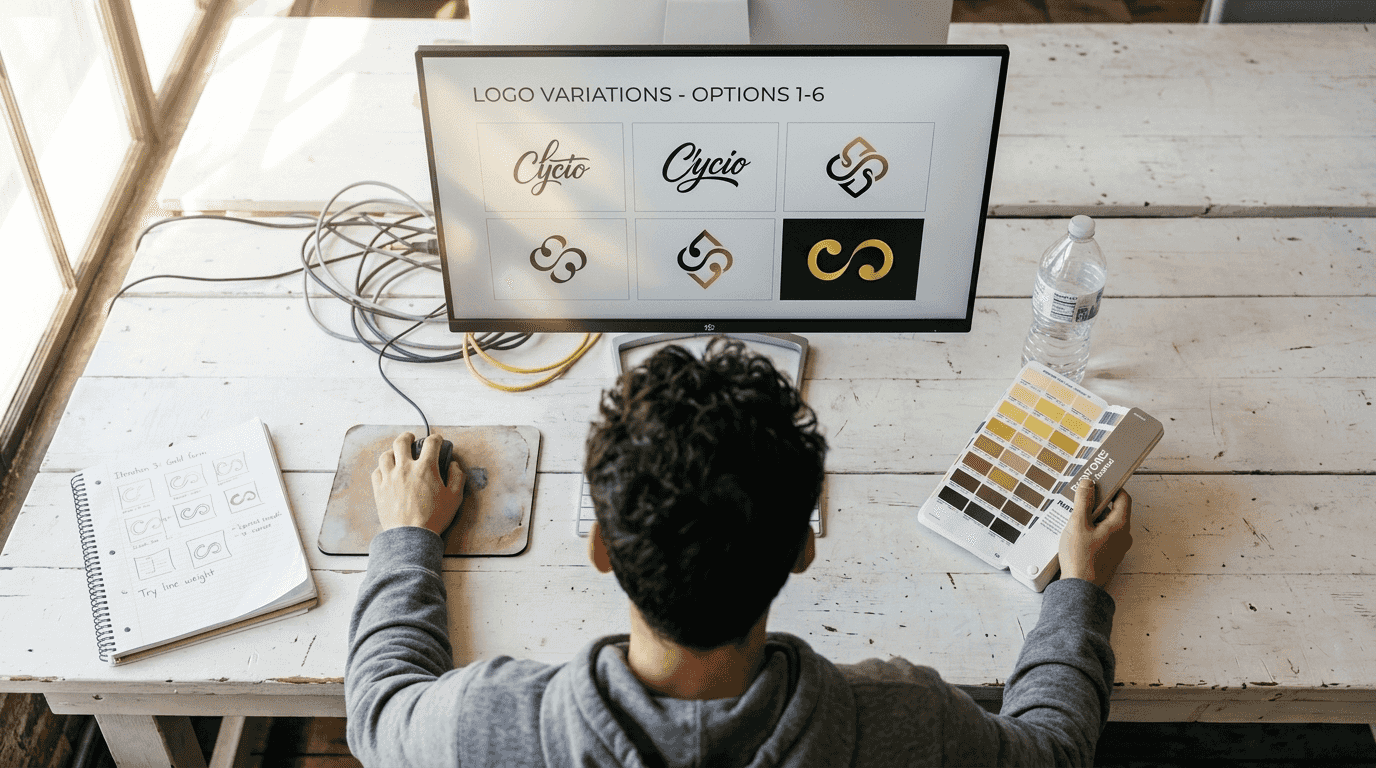
68% of SMBs updating logos with adaptable features saw a 23% rise in social engagement and 17% higher local SEO clicks. These aren’t minor tweaks. Adaptive color systems automatically adjust for lighting and backgrounds, maintaining legibility and emotional impact across environments.
Micro-animations add life to digital logos without overwhelming viewers. Micro-animated logos increase time-on-page by 11% and form completions by 9%. A subtle pulse, a smooth shape transition, or a gentle color shift captures attention ethically, without the aggressive flash of older animation styles.
Design Element | 2026 Best Practice | Impact on Engagement |
Logo adaptability | Color-shifting, scalable versions for contexts | 23% higher social engagement |
Micro-animations | Subtle movements under 2 seconds | 11% longer time-on-page |
Minimalist design | Mobile-first, high contrast, generous spacing | 17% higher local SEO clicks |
Consistent scalability | Versions optimized for thumbnails to billboards | Stronger brand recognition across platforms |
Minimalist, mobile-first website design dominates 2026 because it respects limited attention spans and smaller screens. High contrast, generous white space, and bold typography ensure your message lands fast. Cluttered designs lose customers within seconds. Check your branding asset portfolio to see how professionals balance simplicity with personality.
Pro Tip: Create at least three logo versions: a detailed primary version, a simplified icon for small spaces, and a monochrome backup for high-contrast scenarios. Test each across digital and print to ensure consistency.
Leveraging digital channels: email, social media, and AI content
41% of small business owners expect email marketing to be their most impactful channel in 2026. Email thrives because it delivers personalized messages directly to people who already showed interest. Automation tools let you segment audiences, trigger messages based on behavior, and test subject lines without manual effort.
Social media in 2026 is a live performance space, not a static billboard. One in three SMBs plan to launch new social campaigns this year, treating platforms as dynamic environments demanding ongoing experimentation. What worked last quarter might flop today. Agile brands test formats, adjust messaging, and pivot fast based on engagement data.
AI-generated content supports your branding by maintaining fresh websites and blogs while ensuring consistent tone. AI-generated content helps maintain brand tone consistency across channels, freeing your team to focus on strategy and creative direction. You still need human oversight to inject personality and catch tone-deaf outputs, but AI handles repetitive content updates efficiently.
Integrated campaigns combine these channels for maximum impact:
Launch a social media campaign teasing a new product, driving traffic to a landing page
Capture emails through gated content or exclusive offers on that page
Use email marketing strategies to nurture leads with personalized follow-ups
Deploy AI tools to generate blog posts that reinforce campaign themes and improve SEO
Measure engagement across channels and adjust messaging in real time
Balancing human creativity with AI efficiency gives you a competitive edge. AI handles volume and consistency. Humans add empathy, storytelling, and strategic insight. Together, they amplify your brand without burning out your team. Explore our AI hyper-personalization guide to see how this partnership works in practice.
Pro Tip: Set up email automation sequences for new subscribers, cart abandoners, and post-purchase follow-ups. These small workflows deliver big returns by engaging customers at critical moments without requiring daily manual effort.
Customer-centric branding: personalization and retention strategies
72% of customers return to the same small businesses during holidays, proving retention beats acquisition as a growth engine in 2026. Loyal customers spend more per transaction, refer friends, and forgive occasional missteps. Building that loyalty requires personalized experiences that recognize individual preferences and histories.
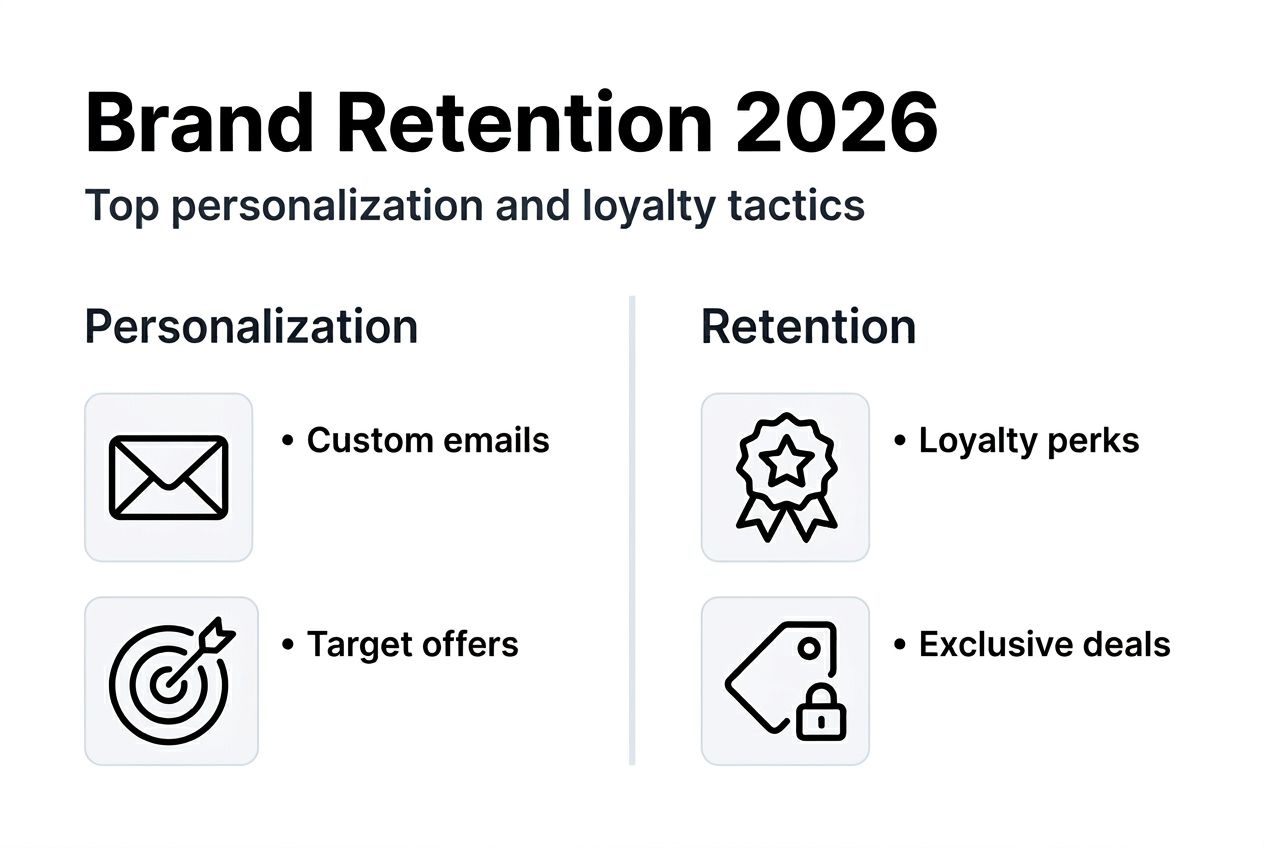
Personalized experiences significantly increase customer loyalty and brand resonance. Personalization means more than inserting a first name in an email. It includes tailored product recommendations, exclusive offers based on past purchases, and content that addresses specific pain points your customer expressed.
Data-driven segmentation powers effective personalization:
Collect behavioral data through website interactions, purchase history, and email engagement
Segment audiences into groups with similar needs, preferences, or buying patterns
Craft messages and offers tailored to each segment’s specific interests
Test different approaches within segments to refine targeting over time
Automate delivery so personalized messages reach customers at optimal moments
A well-crafted brand story strengthens emotional connection and trust. Stories make abstract values tangible. Share why you started your business, the problems you solve, and the impact you create for customers. Authentic storytelling builds relationships that outlast price competition.
Retention Strategy | Implementation Method | Expected Outcome |
Personalized email sequences | Automated workflows based on customer behavior | Higher open rates, increased repeat purchases |
Loyalty programs | Points, tiers, or exclusive member benefits | 15-25% boost in customer lifetime value |
Exclusive deals for repeat customers | VIP pricing or early access to new products | Stronger emotional connection, more referrals |
Post-purchase follow-ups | Thank-you emails, feedback requests, usage tips | Reduced churn, improved satisfaction scores |
Loyalty programs and exclusive deals foster repeat business by rewarding customers who choose you consistently. Simple point systems, tiered benefits, or members-only sales make customers feel valued. These programs also generate data that fuels better personalization, creating a virtuous cycle of engagement and loyalty. Consider customer retention automation to streamline these initiatives without overwhelming your team.
Upgrade your branding with LOOM Brand Designs
Implementing these 2026 branding strategies takes expertise, time, and coordinated execution across multiple channels. LOOM Brand Designs offers packages tailored to elevate your brand identity and digital presence, whether you need a complete rebrand or targeted improvements to specific touchpoints.
Our basic branding package delivers adaptive logo design, brand guidelines, and visual assets optimized for digital and print. We integrate email marketing strategies that automate personalization and segmentation, turning subscribers into loyal customers. Our social media campaigns combine agile content creation with performance tracking, ensuring your brand stays relevant as platforms evolve. Partner with experts who understand small business challenges and deliver measurable results that grow your bottom line.
Frequently asked questions
What is a branding strategy in 2026?
A branding strategy in 2026 is a comprehensive plan integrating visual identity, digital presence, customer experience, and adaptive marketing across all touchpoints. It goes beyond logos and taglines to include personalized interactions, retention tactics, and data-driven optimization. Successful strategies treat branding as an operational asset that evolves with customer needs and market trends.
How do adaptive logos improve brand engagement?
Adaptive logos adjust colors, simplify elements, or change proportions based on context, ensuring legibility and emotional impact across devices and environments. 68% of SMBs updating logos with adaptable features saw 23% higher social engagement and 17% higher local SEO clicks. This flexibility strengthens brand recognition and professionalism across diverse platforms.
Why is email marketing still effective for small businesses in 2026?
Email marketing delivers personalized messages directly to interested audiences, making it highly targeted and cost-effective. 41% of small business owners expect email to be their most impactful channel in 2026 because automation enables segmentation, behavioral triggers, and A/B testing without manual effort. Email builds relationships over time, driving higher lifetime value than many other channels.
How does AI-generated content support branding?
AI-generated content maintains fresh websites and blogs while ensuring brand tone consistency across channels. It handles repetitive updates efficiently, freeing your team for strategic and creative work. Human oversight remains essential to inject personality and catch tone-deaf outputs, but the combination of AI efficiency and human creativity gives brands a competitive advantage in 2026.
What personalization tactics increase customer retention?
Effective personalization includes tailored product recommendations, exclusive offers based on purchase history, and content addressing specific customer pain points. 72% of customers return to the same small businesses during holidays, proving retention-focused strategies work. Loyalty programs, VIP pricing, and automated post-purchase follow-ups strengthen emotional connections and encourage repeat business.
Recommended
Comments